
MViSTA Subsea Cable to Connect Vietnam with Three Southeast Asian Markets: What Businesses Should Know
Published: October 26, 2026
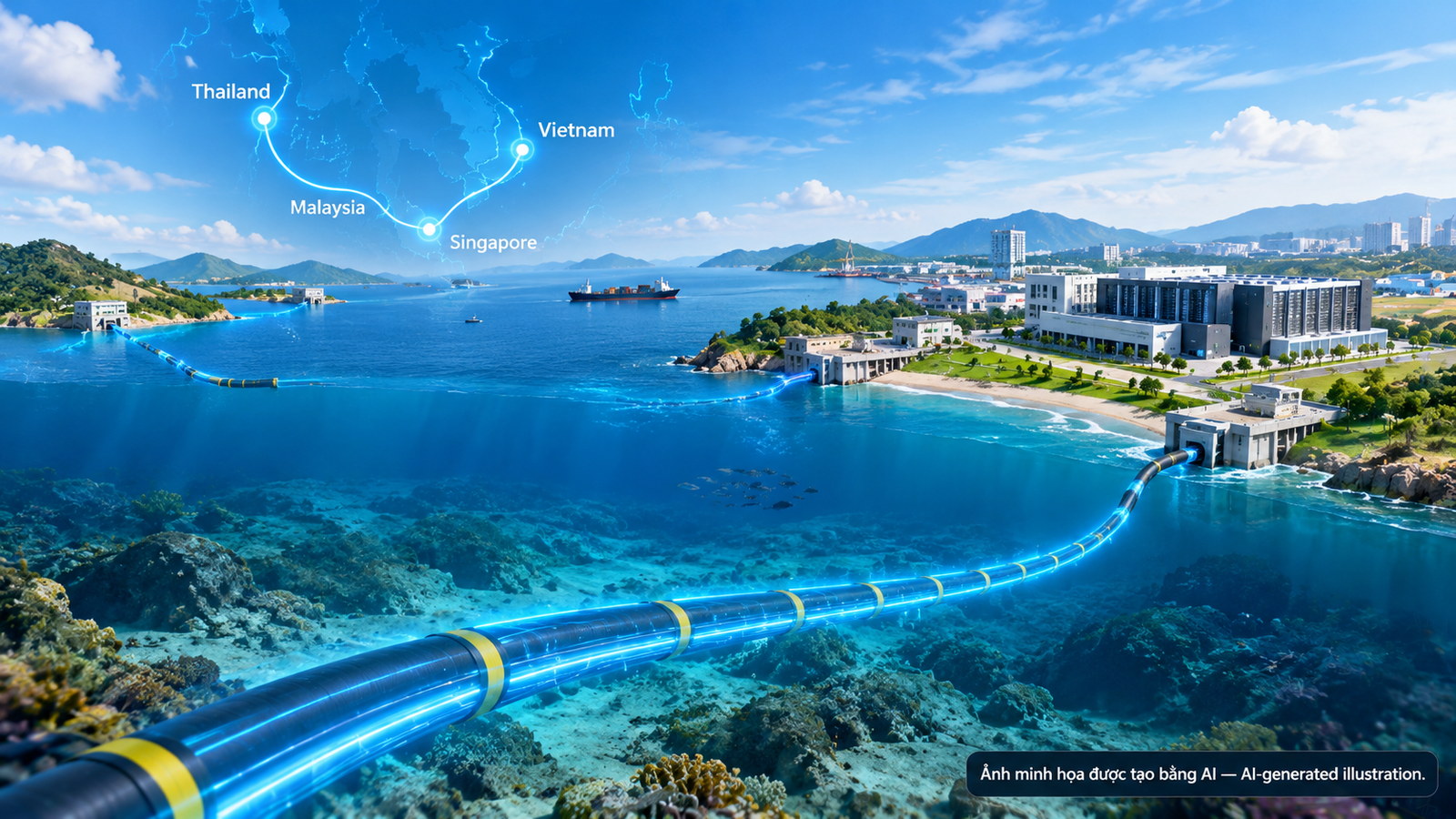
A proposed subsea cable project aims to strengthen digital connectivity between Vietnam and key Southeast Asian markets. Known as MViSTA, the system is planned to connect Malaysia, Vietnam, Singapore, and Thailand.
According to Reuters, the project developers expect to select a cable supplier in October 2026. The proposed system would span approximately 2,500 kilometres, feature 16 fibre pairs, and cost an estimated US$400 million. It is expected to enter service in late 2028.
For manufacturers, suppliers, exporters, and importers, digital connectivity increasingly matters for order management, logistics tracking, international communication, e-commerce, and cloud-based business systems.
However, MViSTA remains a project under development. It is not a completed cable system currently providing commercial services.
1. What Is the Scale of the MViSTA Project?
In a report published on October 22 and updated on October 23, 2026, Reuters described the proposed MViSTA cable as a regional system connecting Malaysia, Vietnam, Singapore, and Thailand.
The reported project details include:
- Planned length: approximately 2,500 kilometres.
- Configuration: 16 fibre pairs.
- Estimated cost: about US$400 million.
- Target service date: late 2028.
- Potential cable suppliers: Japan’s NEC and France’s Alcatel Submarine Networks, according to Reuters.
These figures describe the proposal reported at the time. The estimated cost should not be treated as a final investment figure, and the anticipated service date is not a guarantee.
As of the preparation of this article on October 26, no confirmed announcement of the selected cable supplier was located.
2. Why Does Subsea Connectivity Matter to Businesses?
Subsea cables form an important part of the infrastructure carrying international data traffic. For businesses, connectivity can affect operations ranging from customer communications to digital supply-chain management.
Order and supply-chain management
Exporters and importers exchange information with suppliers, customers, freight forwarders, customs agents, and other partners across multiple countries.
Reliable connectivity can support these exchanges. Actual service quality, however, also depends on domestic networks, internet service providers, other international routes, and the systems used by individual businesses.
Cross-border e-commerce
Companies selling through international platforms depend on websites, order-management systems, inventory data, and customer-service tools.
Additional international connectivity may support the wider digital ecosystem, but it does not automatically mean that every website or e-commerce platform will become faster when a new cable enters service.
Cloud computing and business data
Many companies rely on enterprise software, warehouse-management systems, accounting platforms, and cloud services.
Stronger international connectivity could improve data transmission between systems. The benefits for an individual business will depend on the location of its data services, network routing, and the connectivity products it uses.
3. How Is MViSTA Related to the Planned Data-Centre Campus in Ho Chi Minh City?
Alongside the cable initiative, Stavian is advancing plans for Stavian Digital Park in Ho Chi Minh City, intended to support data-centre, cloud-computing, and artificial-intelligence infrastructure.
On September 23, 2026, the U.S. Trade and Development Agency (USTDA) announced funding for a feasibility study for the proposed data-centre campus.
According to USTDA, the study will examine supporting infrastructure requirements, including power supply, cooling, and connectivity. It is expected to be completed in March 2027.
Reuters reported that Stavian plans to connect the proposed campus in southern Vietnam to the MViSTA cable.
The cable initiative and the data-centre campus are related, but they should not be treated as a single project that has already been fully approved and built. Funding a feasibility study does not establish that every proposed facility will proceed to construction or commercial operation.
4. What Could the Project Mean for Manufacturers and Exporters?
If implemented as planned, stronger regional data connectivity could support several business activities.
For exporters: International order systems, business communications, and data exchanges with overseas customers could benefit from a more diverse connectivity infrastructure.
For suppliers: Software providers, technology companies, warehouse-management businesses, and logistics-service providers may find opportunities to support regional customers.
For importers: More resilient digital infrastructure could help companies coordinate with Vietnamese manufacturers, transport operators, and other supply-chain partners.
For technology businesses: Proposed data-centre developments could generate future demand for equipment, power infrastructure, cooling systems, network hardware, and technical services. These are potential opportunities, not confirmed purchase orders.
Businesses should not assume that the project will automatically reduce logistics costs or increase export revenue. Those outcomes depend on market demand, operating costs, and how effectively companies use digital technology.
5. What Should Businesses Do Before the Cable Becomes Operational?
Because the cable is not expected to enter service until late 2028, companies do not need to wait for the project to improve their digital resilience.
Four practical steps are worth considering.
First, assess dependence on internet connectivity.
Identify which operations would be disrupted by a connection failure, including order management, document exchange, payments, warehouse operations, and customer communication.
Second, prepare backup connectivity.
For critical systems, businesses can evaluate using two independent internet providers or another suitable backup connection. They should verify that the backup routes do not depend on the same vulnerable infrastructure.
Third, protect business data and systems.
Maintain regular data backups, control user access, update software, and prepare a recovery procedure for service interruptions.
Fourth, monitor verified project updates.
Wait for confirmed information about the selected supplier, construction progress, service dates, and actual connectivity coverage before incorporating the project into business plans.
Conclusion
MViSTA is a development worth monitoring as Southeast Asia expands its digital infrastructure. If implemented, the proposed cable could add connectivity between Vietnam, Malaysia, Singapore, and Thailand.
For manufacturers, suppliers, exporters, and importers, the potential value lies in supporting digital operations and cross-border data exchange.
However, the cable is not yet operational. Businesses should continue strengthening their existing connectivity and data-resilience arrangements while monitoring verified updates on the project’s progress.
Sources:
- Reuters, “New US-backed Southeast Asia data cable to pick NEC or Alcatel as supplier, developer says,” October 22, 2026, updated October 23, 2026.
- U.S. Trade and Development Agency (USTDA), “USTDA Advances Major AI Data Center Campus in Vietnam,” September 23, 2026.
- Stavian Group, company information on digital infrastructure and Stavian Digital Park in Vietnam.
VietnamFactoryData.com — Connecting global buyers with Vietnam’s manufacturing capabilities.